StudioWare Logistics

1 / 5
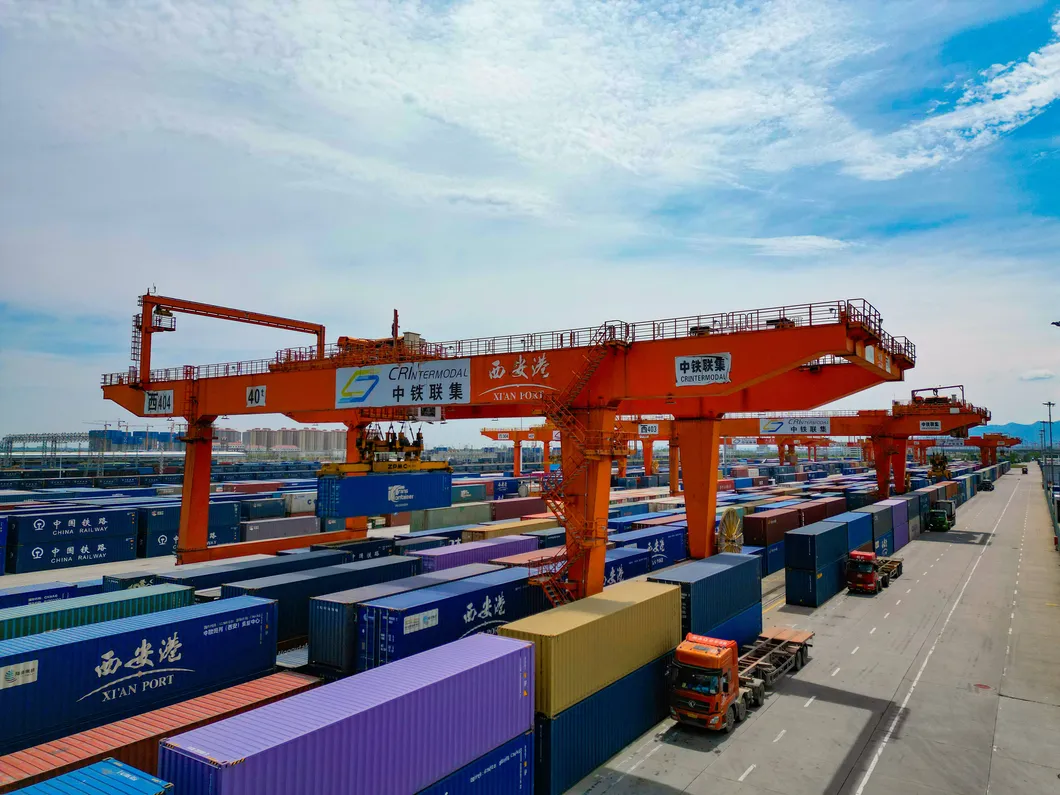
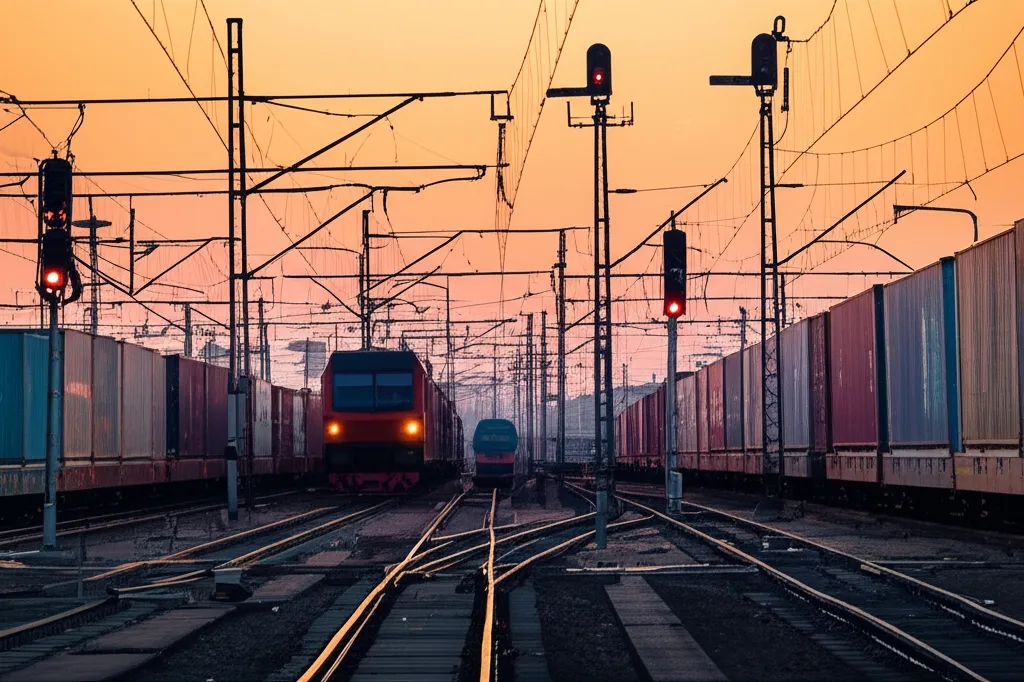
The China-Europe Railway Express (CRE, also known as CR Express), launched in March 2011 with the inaugural journey from Chongqing to Duisburg, Germany, has evolved into a cornerstone of transcontinental logistics under China's Belt and Road Initiative (BRI). Operated by the China State Railway Group, this rail network bridges Asia and Europe through three strategic corridors, revolutionizing international freight transport with its unparalleled efficiency and sustainability.
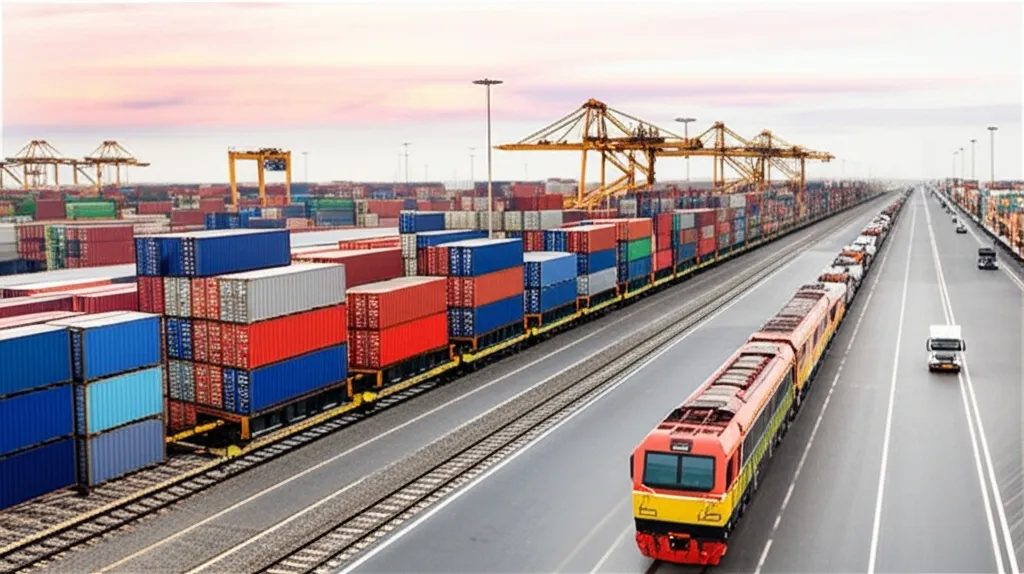
Speed: Reduces transit time dramatically to 12-18 days (vs. 30-45 days by sea), offering a balance between air and maritime transport.
Cost-Effectiveness: Only 1/5 the cost of air freight and 1/4 the time of sea routes, ideal for electronics and automotive parts.
Green Logistics: Achieves an impressive reduction of 70% less CO2 emissions than air freight, aligning with carbon neutrality goals.
As of June 2025, CRE has operated over 110,000 trains, delivering 11 million TEUs and generating $420 billion+ in trade value. It covers 22 European countries (e.g., Germany, Poland, France) and reaches 60+ destinations, including non-European hubs like Astana and Tashkent.
Strategic operations have revitalized key cities, transforming Xi'an into a top CRE hub with over 3,300 planned departures by 2025 and enhancing Leipzig's status as Germany's largest inland port.

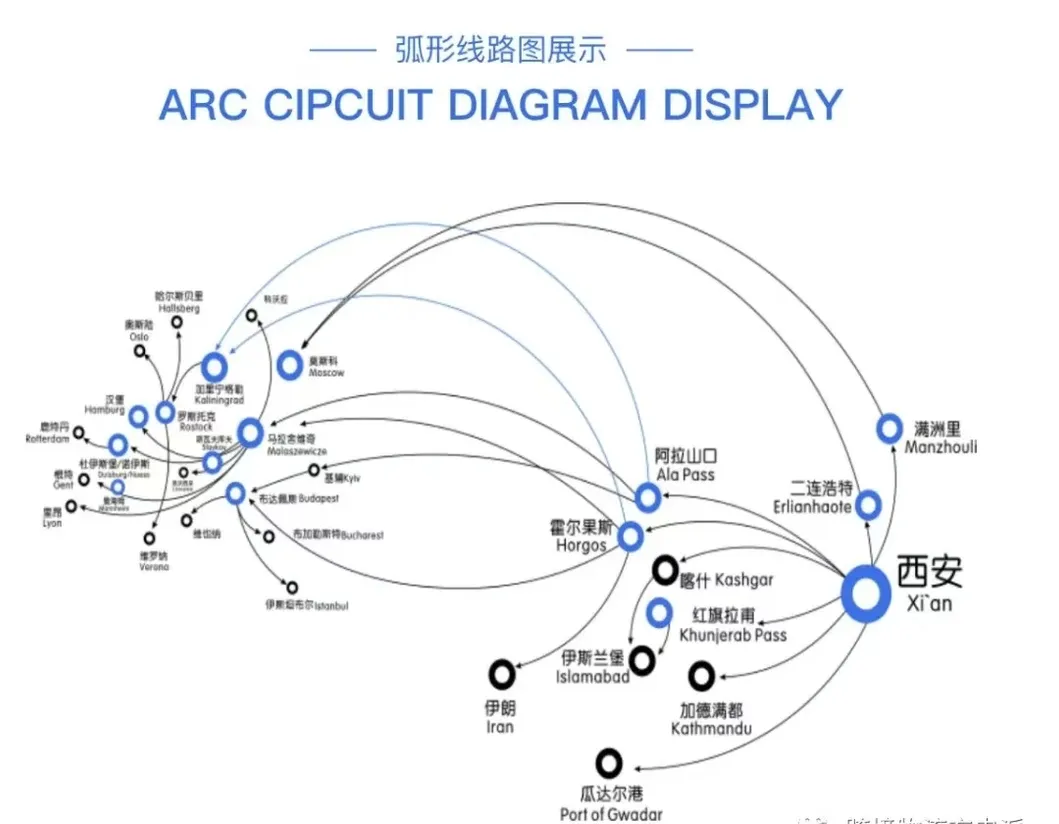
The CRE operates via three main routes: the Western Corridor (via Kazakhstan), the Central Corridor (via Mongolia), and the Eastern Corridor (via Northeast China into Russia).
CRE dramatically reduces transit time to 12-18 days, whereas sea freight typically takes 30-45 days.
Yes, the transportation cost of CRE is approximately 60%-70% lower than air freight, making it an excellent choice for high-value goods like electronics.
CRE provides green logistics by achieving 70% less CO2 emissions compared to air freight transport, supporting global sustainability targets.
By 2025, the network has operated over 110,000 trains, covering 22 European countries and over 60 global destinations.
Common product categories include New Energy Vehicles (18%), photovoltaic modules (12%), electronics, automotive parts, and various industrial items.