How does customs duty affect international shipping? For a China-bound or China-origin shipment, duty can change the landed cost before a container leaves port. It may also affect the paperwork, clearance time, and final price paid by an importer. Small details matter. A product’s tariff classification, declared value, and country of origin can shift the amount due. A wrong assumption can leave goods waiting while documents are checked.
The scale is significant. UNCTAD’s Review of Maritime Transport 2024 reports that over 80% of world trade by volume moves by sea. The WTO’s 2015 World Trade Report estimated that fully implementing the Trade Facilitation Agreement could reduce global trade costs by an average of 14.3%. Customs duties are distinct from those costs, but they influence the same shipping decisions: route, sourcing, inventory, and delivery budgets. Trade economist Douglas Irwin captures the basic mechanism: “A tariff is a tax on imports.” That tax can ripple through freight planning and consumer prices.
This China Top 10 guide examines ten practical ways customs duties affect global shipping, from landed-cost calculations to clearance planning. It is not a substitute for checking current tariff schedules or getting qualified customs advice. Rates and requirements vary by product and destination. One caveat: headline averages can hide a very different bill for a specific shipment. And estimates are not promises. A careful review of the product details is still essential.
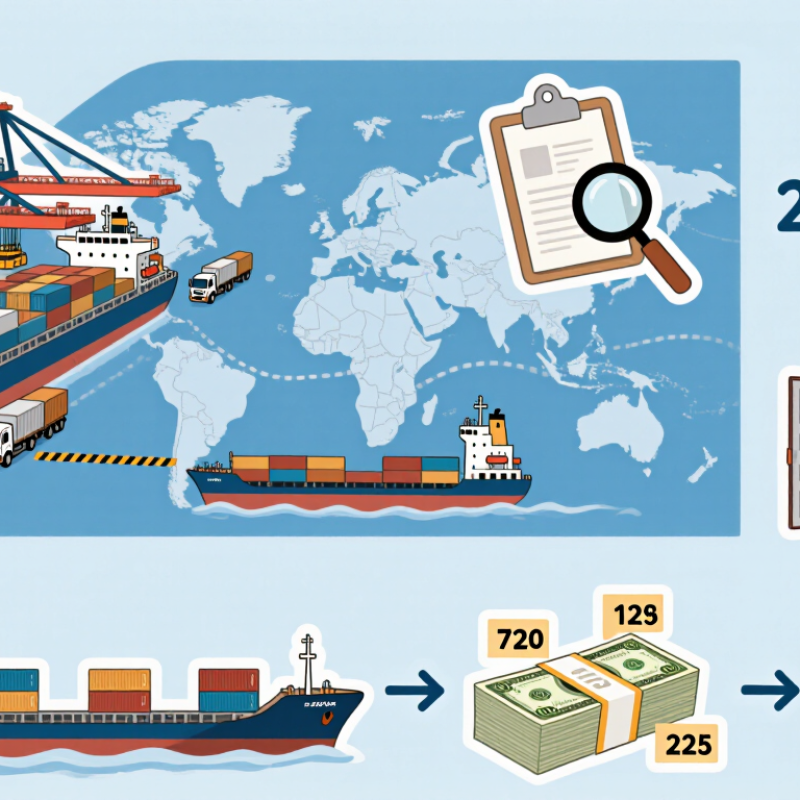
UNCTAD reports that maritime transport carries over 80% of world trade by volume. That scale gives customs duties a wide reach: a small change in the cost of importing goods can affect shipments moving through busy ports every day. Duty is generally calculated under the importing country’s rules, using factors such as product classification, origin, and customs value. It is not simply another ocean freight charge.
Consider a container of ceramic tiles arriving at port. The freight invoice covers transport; customs duty may add a separate cost before the tiles can enter the local market. The exact amount depends on the destination’s tariff rules and the shipment’s documentation. Details matter. An incorrect product code or incomplete invoice can prompt questions, delay release, and add storage costs. Those costs are not the duty itself, but they can make the shipment more expensive.
For importers, duty estimates belong in landed-cost planning, alongside freight, insurance, port fees, and inland delivery. Rules differ across countries, and customs valuation methods are not always intuitive. A rate sheet can make the picture look cleaner than it is. Even experienced shipping teams can underestimate how much a small classification detail changes the final bill. Checking current official tariff guidance and keeping clear records helps reduce avoidable surprises, though it cannot remove every delay.
China Customs assesses import duty through four connected details: product classification, customs value, origin, and the applicable rate. The Harmonized System provides the shared coding framework, but China’s tariff lines add detail beyond the international six-digit level. The World Customs Organization says the system is used by more than 200 countries and economies, covering over 98% of world trade.
Small digits matter. A code that looks plausible can still describe the wrong material or function.
Customs value is not always the invoice total. Freight, insurance, and other relevant costs may affect the dutiable value under applicable valuation rules. For example, a low-priced machine part shipped with costly transport may have a higher duty base than expected.
WTO’s World Tariff Profiles 2024 reports a global simple average MFN applied tariff of about 8.9%; actual rates vary by product and economy. That figure is context, not a quote for a specific China shipment.
Origin can change the rate when preferential trade arrangements apply, so keep supporting origin documents consistent with the goods and commercial records. I would not treat a supplier’s HS code as final. Check the product’s composition, use, and tariff-line description against current Chinese customs guidance, then confirm the rate before shipment. Classification can involve judgment, and that deserves a second review.
Customs duty can change the landed cost of a shipment before it reaches a warehouse. Importers may also face freight, insurance, handling, and storage charges. A container delayed while paperwork is checked can add another cost: extra days at a port. Small errors in product descriptions or declared values can also trigger questions and slow clearance.
Trade facilitation can reduce some of these avoidable expenses. The World Trade Organization has estimated that fully implementing its Trade Facilitation Agreement could lower trade costs by an average of 14.3 percent. This is an estimate, not a guaranteed discount on customs duties. The gains vary by country and depend on how effectively procedures improve. Clear documentation, electronic filing, and predictable inspections can help goods move with fewer delays. That matters.
For a business calculating landed cost, the distinction is important. Duties are set under applicable tariff rules; smoother customs processes do not automatically remove them. But fewer delays can reduce storage charges and make delivery times easier to plan. A practical review should compare duty, freight, and likely clearance costs for each route. Even then, forecasts are imperfect. Port congestion and inspection decisions can shift the final bill.
A shipment can lose days before it reaches a warehouse. Missing invoice details, unclear product descriptions, or late paperwork may trigger extra checks at the border. Customs duties affect the final landed cost, but clearance procedures also shape delivery time and reliability. A container waiting at port can mean storage charges, missed bookings, and empty shelves. Small delays add up.
The WTO’s analysis of the Trade Facilitation Agreement suggests that full implementation could increase global trade by up to $1 trillion annually. It is an estimate, not a guaranteed result. Faster, more transparent procedures can reduce avoidable costs, especially for smaller firms that have little room for unexpected fees. Still, digital systems and simpler forms cannot fix every delay; staffing, infrastructure, and accurate data matter too.
Tips: Check that invoices, product descriptions, and origin details match across documents. Send required information before arrival when permitted, and confirm duty and fee estimates with a qualified customs professional. Keep a time buffer. One detail can still be missed. Shipping teams should track clearance times alongside freight costs, then review recurring hold-ups instead of assuming every delay is unavoidable.
Customs duty can change a shipment’s landed cost, clearance time, and delivery plan. A product description that seems clear to a seller may not match the customs classification used at destination. Check the item’s materials, function, and intended use against current official tariff guidance. Small details matter. A wrong code can lead to reassessment or delay, even when the paperwork looks complete.
Keep origin records consistent across invoices, declarations, and supplier documents. A certificate of origin alone may not answer every question; production steps and sourcing records can also matter. Before cargo leaves, compare product descriptions, declared values, codes, and origin details. Pre-clearance review gives the shipper, importer, and customs broker time to resolve gaps before arrival. Requirements differ by destination, so confirm them with official sources or a qualified customs professional. Records can still conflict, and that is worth checking rather than assuming away.
Tips: Keep one current product-data sheet for each item. Save dated supplier statements and review them when materials or manufacturing locations change. Ask the broker to flag uncertain classifications early. Build a small buffer into delivery estimates; clearance timing is not always predictable. A checklist helps, but it cannot replace a careful review.
Customs duty is a tax assessed under the importing country’s rules. Ocean freight pays for transport, not entry into the local market.
Product classification, customs value, origin, and the applicable tariff rate can all affect the amount. Small digits matter.
A code must match the item’s materials, function, and use. A ceramic tile code may not fit a different product, even if the descriptions seem similar.
No. Freight, insurance, and other relevant costs may affect the dutiable value under local rules. A low-priced machine part with costly shipping could have a higher duty base than expected.
Include duty alongside freight, insurance, port fees, and inland delivery. Keep a small buffer; the final bill may differ from an early estimate.
Keep invoices, supplier statements, sourcing records, and production details consistent. A certificate of origin may not answer every question.
Compare product descriptions, values, codes, and origin details across shipment documents. Pre-clearance review can help resolve gaps before the cargo reaches port.
No. Clear records reduce avoidable questions, but clearance timing remains uncertain. I might still overlook a detail, so a second review is worthwhile.
Customs duty influences the cost, timing, and predictability of international shipments. Since sea freight carries more than 80% of world trade by volume, even small changes in duty assessment or border processing can affect a wide range of supply chains. In China, customs authorities assess duties using factors such as the product’s HS code, customs value, country of origin, and applicable duty rate. These details help determine the amount payable and whether additional documentation is needed.
Understanding how does customs duty affect international shipping starts with looking beyond the tariff itself: duties increase landed costs, while incomplete or inconsistent information can slow clearance and disrupt delivery schedules. The WTO estimates that trade facilitation could generate average trade-cost savings of 14.3%, and projects that its Trade Facilitation Agreement could add $1 trillion in annual trade. Shippers can reduce avoidable delays and cost uncertainty by checking classifications, keeping clear origin records, and preparing documents before goods reach the border.

StudioWare Logistics